
Ancient Rome’s self-healing concrete makes comeback

BUSINESS/SCIENCE
A scientist who figured out the secret behind ancient Rome’s self-repairing concrete has opened a concrete business selling the world’s most popular building material the way the Romans made it: built to last.
Concrete was the foundation of the classical Roman empire, enabling its storied architectural revolution to produce large buildings, bridges, and aqueducts, many of which are still used some 2,000 years after their construction.
In 2023, MIT Associate Professor Admir Masic and colleagues published a paper describing the manufacturing process that gave Roman concrete its longevity. Lime fragments are mixed with volcanic ash and other dry ingredients before adding water. When water is added, heat is produced. As the concrete sets, this “hot-mixing” process traps and preserves the highly reactive lime as small, white, gravel-like features. When cracks form in the concrete, the lime clasts redissolve and fill the cracks, giving the concrete self-healing properties.
Masic says he and his team have since confirmed the process after studying a newly discovered ancient construction site in Pompeii that had been exquisitely preserved by the volcanic eruption of Mount Vesuvius in the year 79 CE. There, they found a surprisingly diverse array of reactive minerals that further added to the concrete’s ability to repair itself many years after these monumental structures were built, further revealing the genius of Roman engineering.
“There is the historic importance of this material, and then there is the scientific and technological importance of understanding it,” Masic explains. “This material can heal itself over thousands of years, it is reactive, and it is highly dynamic. It has survived earthquakes and volcanoes. It has endured under the sea and survived degradation from the elements.”
Masic notes that calcium is a key component in both ancient and modern concretes, so understanding how it reacts over time holds lessons for understanding dynamic processes in modern cement as well. Towards these efforts, Masic formed a company, DMAT, that uses lessons from ancient Roman concrete to create long-lasting modern concretes.
“This is relevant because Roman cement is durable, it heals itself,” Masic says. “The way these pores in volcanic ingredients can be filled through recrystallisation is a dream process we want to translate into our modern materials. We want materials that regenerate themselves.”
DMAT has so far raised US$4.5 million from a global pool of investors to accelerate commercialisation of its self-repairing concrete. The capital will drive DMAT’s entry into new markets and expand production capacity in the US. DMAT aims to integrate its technology into major infrastructure projects, boosting profitability with a reduced energy footprint over time. The annual global concrete market is valued at US$350 billion.
CEO and co-founder Paolo Sabatini says the investment validates years of research and testing that have brought the company from MIT’s labs to commercial projects in Europe. “The trust of world-class investors will enable us to build strategic partnerships across the industry and activate our production in the United States,” he adds.
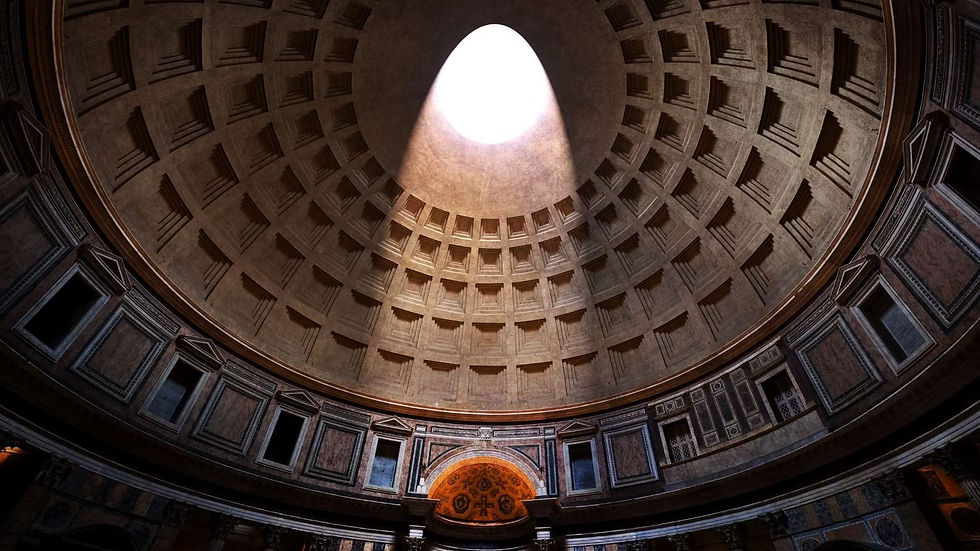
ABOVE Sun rays enter the Pantheon’s dome in Rome, one of the still enduring marvels of Roman engineering due to the use of Roman concrete
PHOTO Michal Collection, by Canva
This material can heal itself over thousands of years, it is reactive, and it is highly dynamic. It has survived earthquakes and volcanoes. It has endured under the sea and survived degradation from the elements.
Admir Masic
SOURCE 1


Comments